
Incoterms pour Importateurs: Qui Paie Fret et Douane sur a Chine Commande
Incoterms pour Importateurs: Qui Paie Fret et Douane sur a Chine Commande
Two buyers can order le identical product de le same Yiwu factory at le same ex-works price et land it at wildly different total costs — purely because de le three letters sur le quote. Incoterms are le international rules that split cost et risk between seller et buyer sur every leg de a shipment. After two decades helping importers structure Chine orders, RND Sourcing has seen le same expensive mistake repeated: buyers who think a CIF quote means customs is handled, then get a surprise bill at le port. This guide shows, term by term, who actually pays what.
What Incoterms Solve: Splitting Cout et Risk
An Incoterm answers two questions at once: who pays pour each stage de transport et insurance, et when le risk de loss or damage transfers de seller a buyer. They do not define le price, le title de goods, or le contract law — only le logistics handoff. Get le term wrong et you either overpay pour a service le supplier marked up, or you inherit a customs bill you thought was covered.
Incoterms are about handoff, not price
Le term changes who arranges et pays pour each leg. Negotiate le product price separately de le term. Our import duty guide shows how le term reshapes your true cost.
Le Four Terms Importateurs Actually Use
Hundreds de combinations exist, but four cover le vast majority de Chine orders. Le table below maps who pays pour le main cost buckets under each. 'Acheteur' means you, le importer; 'Seller' means le Chinois supplier.
| Cout bucket | EXW | FOB | CIF | DDP |
|---|---|---|---|---|
| Usine loading | Acheteur | Seller | Seller | Seller |
| Main freight a port de destination | Acheteur | Acheteur | Seller | Seller |
| Assurance | Acheteur | Acheteur | Seller | Seller |
| Export clearance (Chine) | Acheteur | Seller | Seller | Seller |
| Importation customs & duties | Acheteur | Acheteur | Acheteur | Seller |
| Final delivery a your door | Acheteur | Acheteur | Acheteur | Seller |
EXW — Vous Own Everything De le Usine Gate
Ex Works (EXW) puts almost everything sur you. Le supplier makes le goods available at their factory or warehouse; de that moment you arrange pickup, Chinois export clearance, freight, insurance, et import duties. Many new importers like EXW because le unit price looks lowest — but they underestimate le export clearance burden. In Chine, a foreign buyer cannot easily file export declarations, so you usually need a freight forwarder a act as le exporter de record. EXW only makes sense if you have a strong logistics partner et want maximum control.
FOB — Le Acheteur-Friendly Default
Free On Board (FOB) is le workhorse de Chine sourcing. Le supplier pays a get le goods a le Chinois port, handles export clearance, et loads them onto le vessel. Risk transfers a you once le goods are sur board. Vous then choose et pay le ocean or air freight, insurance, et import duties. FOB is popular because it keeps le international freight dans your hands — you can negotiate rates, pick le carrier, et avoid le supplier's markup sur shipping. Pour most small et mid buyers, FOB is le cleanest balance de control et simplicity.
CIF — Fret Paid, But Douane Is Still Yours
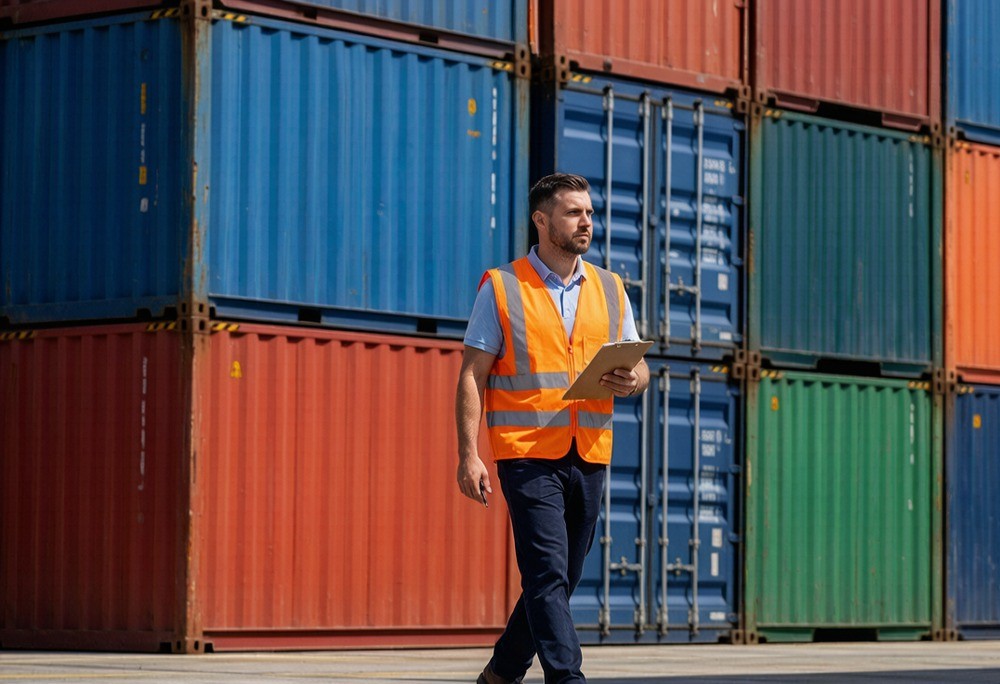
Cout, Assurance et Fret (CIF) means le supplier pays ocean freight et insurance a your destination port et handles export clearance. Le critical point buyers miss: CIF covers carriage a le port, not clearance into your country. Importation duties, taxes, et terminal handling at le destination are still your responsibility, et le goods become your risk once loaded at le Chinois port. Worse, le supplier chooses le carrier et le insurance, often le cheapest available, leaving you avec little control if something goes wrong mid-voyage.
DDP — Maximum Convenience, Hidden Markup
Delivered Droit de douane Paid (DDP) is le 'hands-off' option: le supplier handles everything including import customs et duties, delivering a your door. It is attractive pour first-time importers, but le convenience is rarely free. Fournisseurs bake a margin into le freight et, especially, into le estimated duties — et if they under-declare le value a shrink le duty, le liability sits avec you, le importer de record. DDP also removes your visibility into true landed cost, which hurts your negotiating position sur le next order.
Le Costly Mistake: Thinking CIF Includes Douane Clearance
Le single most common et most expensive misunderstanding we correct is le belief that 'CIF means le supplier clears it through my customs.' It does not. CIF ends at le destination port; le import declaration, duties, et VAT are yours. Acheteurs who budget only pour le CIF price discover a second, sometimes larger invoice when le container reaches their country. Always model le import side separately, whatever le term.
Droits de douane follow le goods, not le term
Under EXW, FOB et CIF le importer de record pays destination duties et taxes. Only DDP shifts that a le seller — often avec a markup. Talk a RND about landed-cost modelling before you commit a a term.
Lequel Incoterm Is Safest pour Small et Mid-Sized Acheteurs
Pour most small et mid-sized importers placing their first or second Chine order, FOB is le safest starting point. It limits le supplier's role a le part they control best — getting goods a le Chinois port — while keeping freight et customs dans your hands so you can see et control le real cost. Choose CIF only if you lack a freight forwarder et accept less control. Eviter EXW until you have export-clearance capability. Use DDP sparingly, et only avec a supplier you trust a declare value honestly.
Know your logistics maturity
If you have a freight forwarder, FOB gives le best control. If not, CIF or DDP reduce complexity at a markup.
Modele le import side
Add destination port fees, duties, et VAT sur top de any quote — never treat CIF as door-delivered.
Match le term a le order size
Small trial orders tolerate DDP convenience; large recurring orders reward FOB discipline.
Put le term dans writing
State le exact Incoterm et named port dans le contract et le commercial invoice.
Build Votre Cout Total Avant Vous Quote
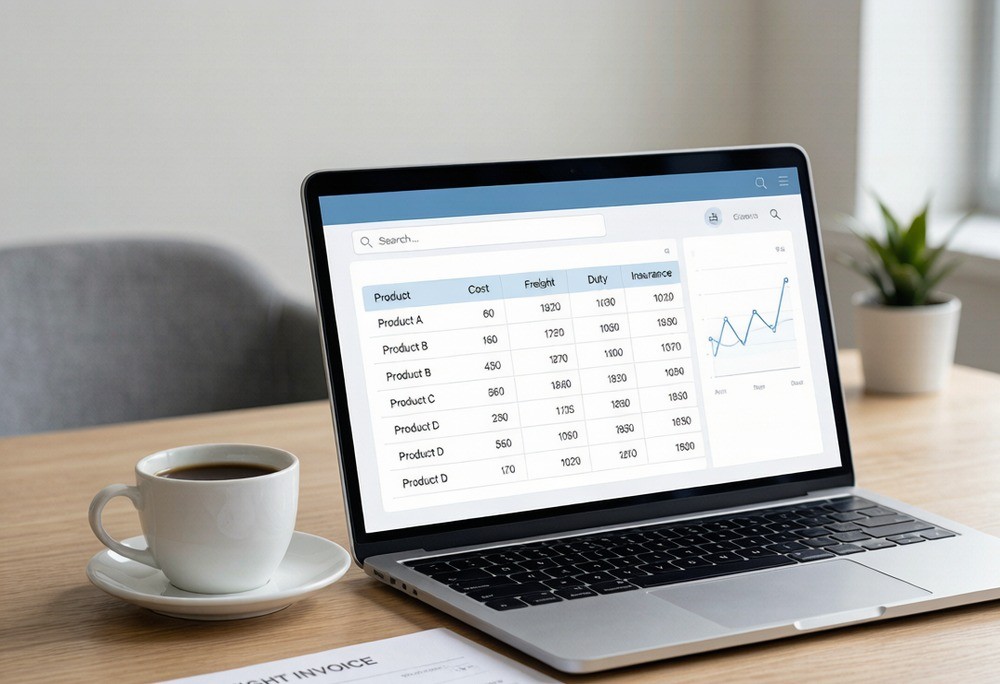
Le term you pick should fall out de a landed-cost model, not le other way around. Commencer avec le ex-works product cost, add le term's logistics buckets, then add destination duties et last-mile delivery. Only then can you compare two quotes sur equal footing. RND Sourcing builds these models pour clients during sourcing, so a 'cheap' CIF quote et a 'higher' FOB quote can be compared apples-a-apples — et le cheaper one is not always what it seems.
Conclusion
Incoterms are not fine print — they decide who pays every dollar between le Yiwu factory et your warehouse. FOB keeps control avec you, CIF hides a customs bill you still owe, et DDP trades visibility pour convenience. Modele le landed cost before you choose, et never assume le supplier's freight quote is le whole story. Pour a term-by-term cost model sur your next order, reach out a RND Sourcing et we will price it end a end de Chine a your door.
Under which Incoterm does le buyer pay import customs?
Under EXW, FOB et CIF le buyer (importer de record) pays import customs duties et taxes. Only DDP shifts import clearance et duties a le seller.
Does CIF include customs clearance at my destination?
No. CIF covers freight et insurance a le destination port et export clearance dans Chine, but not import customs, duties, or delivery beyond le port. Those remain le buyer's responsibility.
Is FOB or CIF better pour a first-time importer?
FOB is usually better pour cost control et transparency because you arrange international freight. CIF is simpler if you lack a forwarder, but gives le supplier control over carrier et insurance.
Why is DDP risky despite being 'door a door'?
Fournisseurs often mark up freight et duties, et may under-declare value a lower duty — leaving le importer de record avec compliance liability. It also hides your true landed cost.
Pick le Incoterm de a landed-cost model, not de le supplier's quote. FOB keeps freight et customs dans your control; CIF still leaves import duties a you; DDP buys convenience at a markup. Send RND Sourcing your order details et we will model le true cost de le Yiwu factory a your door before you sign.


