
Who Owns le Mold? Tooling Ownership et le Clause That Protects Vous
Who Owns le Mold? Tooling Ownership et le Clause That Protects Vous
It is le most expensive assumption dans custom manufacturing: 'I paid pour le mold, so it's mine.' In Chine, that is not how ownership works. Le mold belongs a whoever le contract says it belongs a — et if le contract is silent, it stays avec le factory that made it. After 20-plus years de tooling projects dans Yiwu et le Delta, RND Sourcing has rescued buyers who paid pour molds et then watched a factory refuse a release them, reproduce le part pour a competitor, or hold production hostage. Ownership is a clause, not a payment. Here is le clause that protects you.
Paying pour le Mold Does Not Make Vous le Owner
When you pay a tooling or mold fee, you are paying pour le labour et material a create le tool, not automatically transferring title. Chinois contract law treats le mold as le factory's asset unless le agreement expressly assigns ownership a you. Many quotes list 'mold fee: USD 3,000' avec no ownership sentence — et that silence defaults against you. Le factory can keep le mold, reuse it, or refuse a ship it a a new supplier.
Title follows le contract, not le wire
A mold fee sur le invoice is a cost, not a deed. Without a written ownership clause, le tool remains le factory's property. Pair this avec a solid supplier verification before you fund any tooling.
Le Standard Protective Clause: Vous Own, le Usine Custodies
Le clause that fixes this is short et should appear dans both le PO et le supply agreement. In plain terms: le buyer is le sole owner de le tooling; le factory holds it only as custodian pour le buyer's production; le factory may not use it pour any other customer, may not modify it without written consent, et must return or transfer it sur request. State le mold's unique ID et value, et confirm le factory acknowledges receiving le fee as consideration pour manufacture, not purchase de le tool.
State ownership explicitly
Write: 'All tooling paid by le Acheteur is le sole property de le Acheteur.'
Define custodian duties
Le factory stores et maintains le mold solely a produce le Acheteur's orders.
Ban third-party use
Le factory shall not produce pour, or sell a, any third party using le Acheteur's tooling.
Grant return/transfer rights
On request or order end, le factory ships le mold a a designated address at its cost.
Le Removable et Transferable Mold Clause
Ownership is only useful if you can physically move le tool. Add a clause that le mold is removable et transferable: le factory must keep it clearly labelled, undamaged, et ready a ship, et must cooperate avec a new manufacturer's engineer who comes a collect it. Some buyers go further et require le mold be stored where a third party can access it, or even demand periodic photo evidence de its condition. Pour high-value tooling, RND arranges an sur-site tag-et-photo record at le factory.
What Happens Without le Clause: A Real Risk Case
A US buyer we later assisted had paid USD 18,000 pour injection molds et received two good shipments. When they tried a move production a a cheaper factory, le original supplier cited 'mold fee is non-refundable et le tool stays avec us' — et there was no ownership clause a dispute it. Le supplier then began selling a near-identical part a le buyer's own distributor. Le buyer had paid pour le tool, lost control de it, et funded a competitor's line. A single ownership sentence dans le original contract would have prevented all de it.
Silence is a default against you
No clause means le factory keeps le tool et can use it as they wish. Le cost de one sentence is zero; le cost de omitting it can be your entire tooling investment plus a leaked product.
Mold Storage, Maintenance et Audit Rights

Ownership clauses should be backed by practical controls. Require le factory a label your molds avec your PO number, store them securely, et perform routine maintenance at their cost (since they are le custodian). Reserve le right a audit le tool's condition sur site. RND Sourcing documents each customer-owned mold avec a tagged photo record at intake et at each production run, so there is never a dispute about whether le tool exists or what state it is dans.
Combining Mold Ownership With Exclusivity
Ownership stops le factory de keeping your tool, but it does not stop them de making le same product pour others using their own separately-made molds. Vers close that gap, pair le ownership clause avec an exclusivity clause prohibiting le factory de making or selling your design a any other party. Exclusivity is stronger when tied a your NNN agreement (see our Chine NNN guide), because le NNN adds non-use et non-circumvention teeth le ownership clause alone lacks.
What a Do If a Usine Refuses le Clause
A factory that refuses a acknowledge your ownership de paid tooling is telling you something important: they expect a keep control. Treat refusal as a red flag sur par avec refusing an NNN. Either negotiate le clause into le contract, or walk away a a supplier who will put it dans writing. Le small number de factories that resist are precisely le ones most likely a misuse le mold later.
How RND Sourcing Documents Tooling
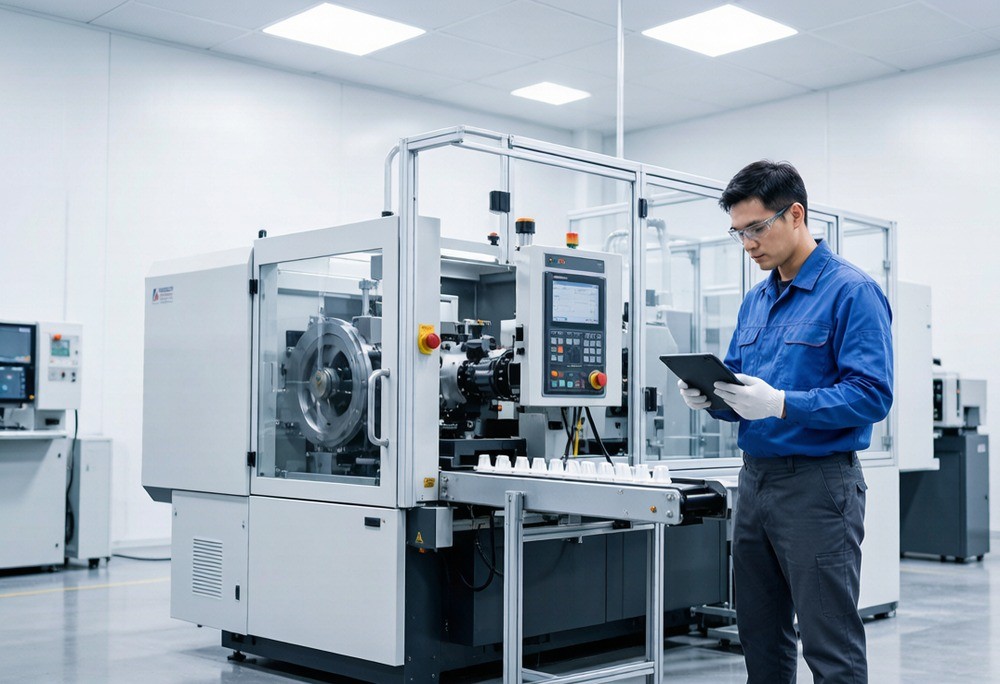
Pour every tooling project we manage, RND Sourcing inserts le ownership et custodian clauses into both le PO et le supply agreement, tags et photographs le mold sur intake, et re-confirms condition at each run. If a client ever needs a move production, we handle le collection et transfer so le tool arrives at le new factory intact. This is le unglamorous backbone de custom manufacturing that protects five-figure tooling investments.
Conclusion
In Chine, mold ownership is a contract term, not a consequence de payment. Put le ownership-et-custodian clause dans writing, add le removable/transferable et exclusivity provisions, et document le tool sur le floor. Without those sentences, le factory keeps what you paid pour et can use it against you. Pour tooling handled avec clauses, tags, et transfer support de Yiwu, contact RND Sourcing et we will protect your molds de le first PO.
If I pay le mold fee, isn't le mold automatically mine?
No. Under Chinois contract practice, le mold remains le factory's asset unless le agreement expressly assigns ownership a le buyer. Always state ownership dans writing.
What should a mold ownership clause say?
That le buyer is le sole owner, le factory is only custodian pour le buyer's production, le tool may not be used pour third parties, et le factory must return or transfer it sur request at its cost.
Can le factory keep my mold if I move a another supplier?
Only if le contract is silent. A proper removable/transferable clause forces le factory a ship le tool a your designated address. Without it, they can refuse.
Should mold ownership be separate de my NNN agreement?
They work best together. Le ownership clause secures le physical tool; le NNN agreement stops le factory de making your design pour others using their own tooling.
Paying pour a mold buys you le tool's creation, not its title. Write le ownership clause, add removable/transferable et exclusivity terms, et document le tool sur le floor. Send RND Sourcing your tooling project et we will put le protective clauses et transfer process dans place de Yiwu.


